end to end content automation pipeline wordpress
A practical guide to building an end-to-end content automation pipeline for WordPress, covering workflow, trade-offs, and how to maintain quality at scale.
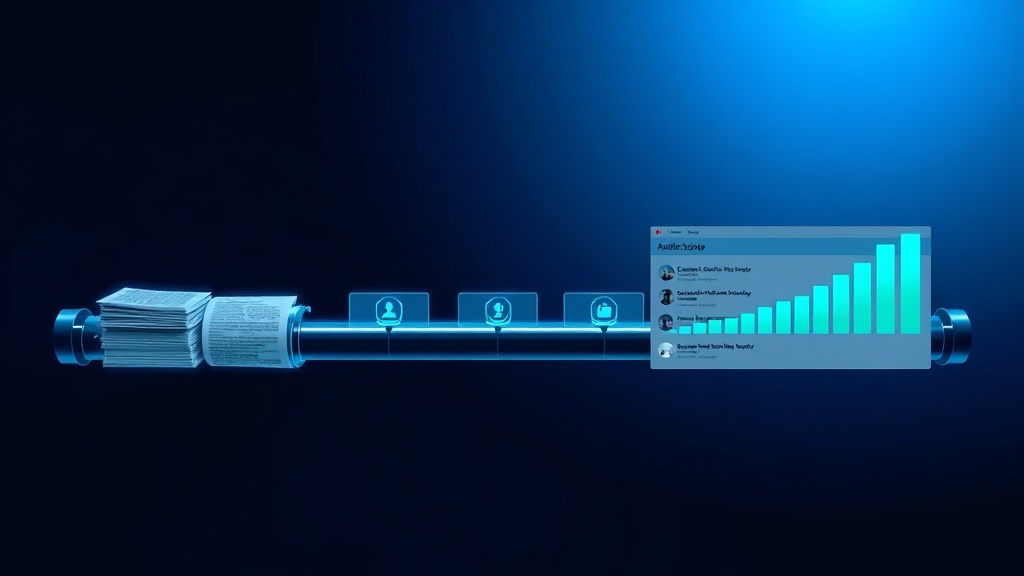
An end-to-end content automation pipeline for WordPress connects keyword research, content generation, editing, and publishing into a single automated workflow, reducing manual effort by up to 80% for teams publishing consistently.
The pipeline works best when each stage includes a human review checkpoint — fully automated publishing without editorial oversight often leads to lower-quality content that fails to rank.
For most teams, the sweet spot is automating research and drafting while keeping final review and optimisation manual.
- Automate keyword clustering and content outlines to save hours per article
- Use AI drafting for first drafts, but always review for accuracy and brand voice
- Schedule WordPress publishing automatically once content passes editorial review
- Monitor performance metrics to continuously refine your pipeline
Common Content Automation Mistakes That Cost You Rankings
Building a content automation pipeline without proper quality gates can actually harm your search rankings. Google's algorithms penalise thin, repetitive, or low-value content — exactly what naive automation produces.
For example, a SaaS team publishing 20 articles per month using a fully automated pipeline saw a 30% drop in organic traffic within three months because the content lacked depth and internal linking.
The most common mistake is treating automation as a replacement for editorial work rather than an accelerator. Teams assume AI can handle everything, but it cannot fact-check, maintain brand voice, or ensure strategic alignment.
Over time, this approach compounds: more low-quality content means higher bounce rates, lower dwell time, and eventually a domain-level trust penalty.
If keeping a consistent publishing schedule feels impossible without a dedicated team, Zorenax automates the entire cycle — keyword to published post, on schedule, without manual work.
What Actually Matters in Content Automation
Most teams focus on speed — how fast they can publish — but the real leverage comes from consistency and quality control. A pipeline that publishes 10 well-researched, well-edited articles per month outperforms one that publishes 30 mediocre pieces.
The common assumption is that more content equals more traffic. In practice, Google's helpful content update rewards depth, originality, and user satisfaction. A pipeline must prioritise these over volume.
The most effective pipelines treat AI as a research assistant and drafter, not the author. Human editors add the nuance, examples, and strategic linking that search engines recognise as quality signals.
- Quality gates at each stage prevent low-quality content from reaching publication
- Internal linking automation saves hours but requires a human to verify relevance
- Consistent publishing cadence matters more than volume — a pipeline should enforce a schedule, not just output
- Performance feedback loops let you kill underperforming topics early
Practical Content Automation Workflow for WordPress
For example, a B2B SaaS startup publishing eight articles per month can automate keyword research, outline generation, and first-draft writing, while the content manager handles one final review pass before scheduling.
A key limitation: automated keyword clustering tools sometimes group unrelated terms, so review clusters manually before generating outlines. This catches errors early and saves rewriting time later.
As the team grows to 20+ articles per month, you can add automated internal linking suggestions and image generation, but keep the editorial review step — it's the bottleneck that protects quality.
- Keyword Research: Use a tool to identify topic clusters and long-tail keywords. Group related terms into a single article outline to maximise topical authority.
- Outline Generation: Automatically generate a structured outline with H2s and H3s based on the keyword cluster. Review and adjust the structure before drafting.
- AI Drafting: Generate a first draft using AI, including headings, paragraphs, and a meta description. Ensure the draft covers the target keyword naturally and includes semantic variations.
- Editorial Review: A human editor checks for factual accuracy, brand voice, internal linking opportunities, and readability. Make necessary edits and approve the draft.
- WordPress Publishing: Use an automation tool to schedule the approved article in WordPress with featured image, categories, tags, and SEO metadata. Set a publish date and time.
The automation flow described above is what the Zorenax auto-publishing system runs for you — set your cadence once, and content goes live without intervention.
Trade-Offs: Manual vs Automated Content Pipeline
A fully manual approach gives you complete control over quality but limits output to a few articles per week. Automation scales production but requires careful setup and monitoring to avoid quality degradation.
Teams publishing fewer than four articles per month may not need a full pipeline — manual processes are sufficient. Teams publishing eight or more articles per month benefit significantly from automation, especially for research and drafting.
| Task | Manual | With Zorenax |
|---|---|---|
| Keyword research | Manual clustering | Automated clustering |
| Outline creation | Write from scratch | AI-generated outline |
| Drafting | Write full article | AI first draft |
| Editorial review | Full human review | Human review only |
| Publishing | Manual upload | Auto publish |
| Time per article | 4-6 hours | 1-2 hours |
Implementation Checklist: End-to-End Content Automation
Today: Audit your last 10 published articles. Check for keyword coverage, internal linking depth, and editorial consistency. Identify which stages of your current workflow take the most time.
This Week: Set up a basic pipeline using Zorenax's Auto Publishing feature. Connect your WordPress site, configure keyword sources, and run a test article through the full workflow — from keyword to published post.
Next 30 Days: Publish at least eight articles using the pipeline. Track time saved per article and monitor organic traffic changes. Adjust the editorial review criteria based on performance data.
Next Steps After Building Your Pipeline
You now know that an end-to-end content automation pipeline for WordPress can save significant time, but only if you maintain quality gates at each stage. The practical implication is clear: automate the repetitive parts, but keep human judgment in the loop.
If automating this workflow without sacrificing quality sounds right, Zorenax handles the full pipeline — from keyword research to WordPress publishing — and you can start with 12 free credits to see how it fits your process.
The first step is connecting your WordPress site and running one test article. That single cycle will reveal where your current process needs the most improvement.
Frequently Asked Questions
Will an automated pipeline hurt my SEO if I publish too fast?
Yes, if you publish low-quality content. Google's algorithms detect thin content regardless of publishing speed. The key is to maintain editorial quality gates. For example, a pipeline that publishes 20 articles per month with human review can outperform a manual process publishing 8 articles, but only if each article meets quality standards. Start with a slower cadence and increase as you validate quality.
Can I fully automate content creation without any human input?
Not recommended. AI-generated content lacks factual accuracy, brand voice consistency, and strategic alignment. Even with advanced models, human review is essential for fact-checking, adding unique insights, and ensuring internal links are relevant. A fully automated pipeline risks publishing incorrect or generic content that damages credibility and rankings.
How do I choose the right keywords for my automated pipeline?
Focus on topic clusters rather than individual keywords. Use a tool that groups semantically related terms into a single article. This builds topical authority and improves rankings for multiple queries. Avoid high-competition keywords initially; target long-tail variations with clear search intent. Review clusters manually before generating outlines to catch grouping errors.
What's the best way to handle internal linking in an automated pipeline?
Automate suggestions based on keyword overlap and topic clusters, but have a human verify each link's relevance. Automated linking can create unnatural or spammy link patterns if not monitored. For example, a tool might link to a 'pricing' page from every article, which looks manipulative. Set rules to limit links per article and prioritise contextual relevance.
How often should I review and update my automation pipeline?
Review monthly during the first three months, then quarterly. Monitor key metrics: time per article, organic traffic, bounce rate, and keyword rankings. If traffic drops or bounce rates increase, audit recent articles for quality issues. Adjust keyword sources, editorial criteria, or publishing frequency based on data. Pipelines degrade over time as search algorithms and audience preferences change.
To go deeper, explore Auto Publishing in Zorenax, or see pricing plans.
Your content calendar should run itself. Start Free → and publish your first automated article today.
Try Zorenax free with 12 credits
Find keyword opportunities, generate articles, and publish to WordPress automatically.
Get better at
SEO automation.
Join Zorenax and start creating SEO-ready content with AI.
Try For Free